


My friends are gathered together again, chatting happily. Suddenly, one raises her voice just a little—and in that instant, a sharp, piercing discomfort shoots through my ears. All I want is to escape the room right then.
Do you ever experience moments like this in everyday life? The lively conversations in the living room, traffic outside your window, keyboards clacking in an open office. Do these sounds sometimes leave you feeling overwhelmed, stressed, distracted, or completely drained?
Do your ears sometimes feel “overloaded,” even though your hearing is medically normal?
If this feels familiar, you might be like me: a Highly Sensitive Person (HSP) with noise sensitivity, someone whose nervous system reacts more strongly to sound and sensory stimulation.

Being a Highly Sensitive Person (HSP) is not a disorder or psychological condition. It is a natural personality trait rooted in how the nervous system processes information.
In the 1990s, psychologist Dr. Elaine N. Aron introduced the concept after discovering that about 15–20% of people are born with heightened sensitivity to sensory and emotional stimuli.
In psychology, this trait is known as Sensory Processing Sensitivity (SPS). People with SPS tend to process sensory input—such as sound, light, smell, emotions, and social cues—more deeply and thoroughly than others.
This deeper processing can bring many strengths, including empathy, awareness, creativity, and intuition. But it can also mean that certain environments, especially noisy ones, feel much more intense.
For many HSPs, noise sensitivity and sound sensitivity are among the most noticeable everyday experiences.
For people with HSP traits, sound is often processed more intensely by the nervous system.
Most people automatically filter out background noise—distant conversations, clinking dishes, passing cars—without consciously noticing it. Their brains quickly decide which sounds are important and which ones can fade into the background.
For highly sensitive people, this filtering system can work differently.
Instead of fading away, multiple sound sources remain present at the same time. Conversations, music, footsteps, and environmental noise may all register simultaneously. The brain receives more sensory information and processes it more deeply.
Research on sensory processing sensitivity shows that HSPs often engage in deeper cognitive processing of stimuli. As a result, what feels like “normal background noise” to others can feel overwhelming or exhausting.
Over time, this constant sensory input can lead to nervous system fatigue. Even moderate noise levels may gradually drain mental energy.
That is why quiet environments often feel incredibly restorative for highly sensitive people.
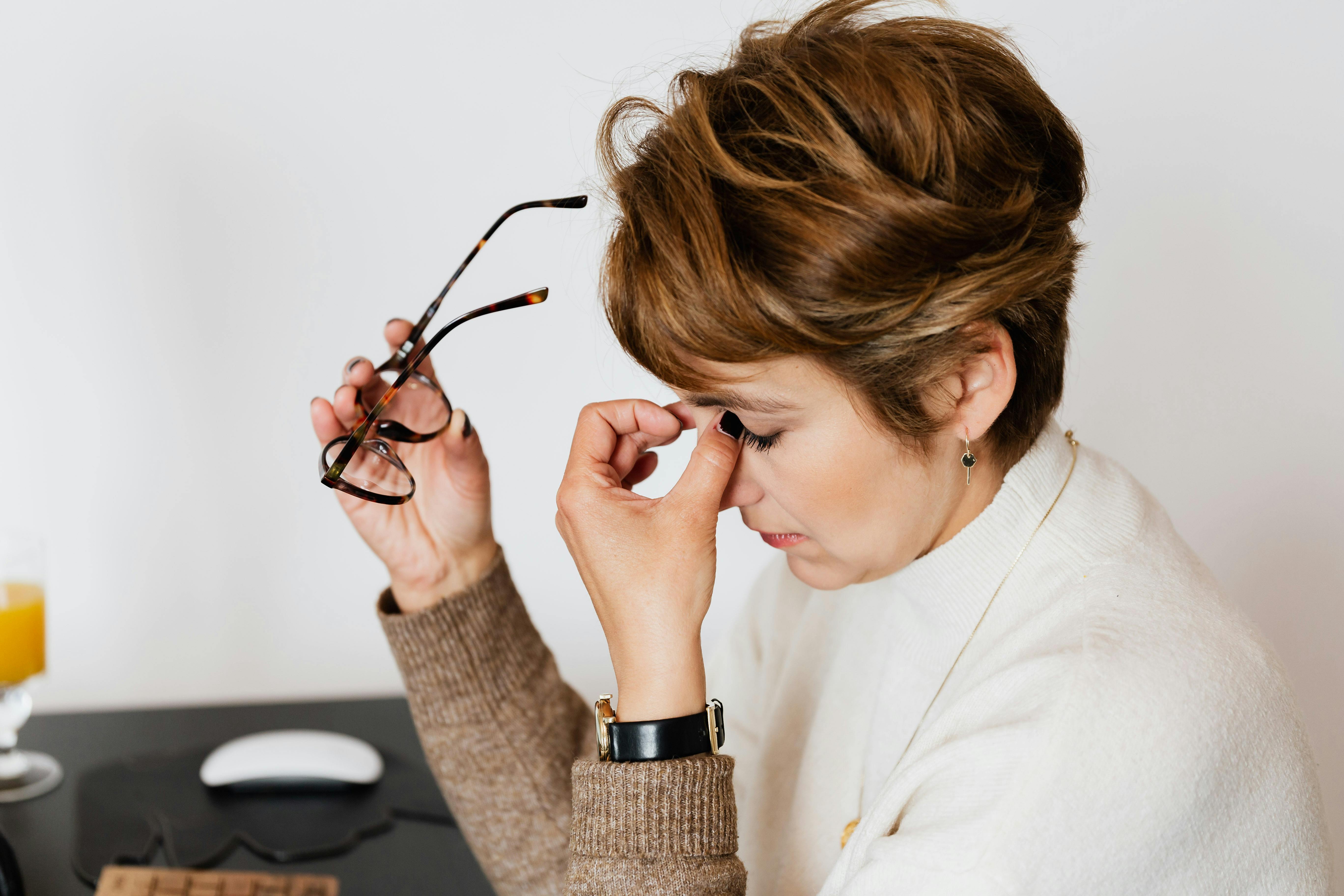
Certain environments are more likely to trigger noise sensitivity and sensory overload, especially when many sounds overlap.
Crowded restaurants are a common example. Conversations from nearby tables, background music, kitchen sounds, and clattering dishes combine into a dense sound environment that can make relaxing—or even focusing on your own conversation—difficult.
Airplanes and public transportation can also be challenging. The constant hum of engines, overhead announcements, and passenger chatter create a continuous background noise that rarely stops.
Other situations that may trigger sound sensitivity include open offices, shopping malls, family gatherings, and school events. These environments often combine loud sounds, unpredictable noise, and social interaction, increasing the overall sensory load.
Even at night, the hum of an air conditioner, cicadas outside, or distant traffic can disrupt rest.
For people with HSP traits, this is not simply about “disliking noise.” It reflects how their nervous systems process sensory information.
Noise sensitivity often appears in subtle ways in daily life. Some people notice they become tired, stressed, or mentally overwhelmed much faster than others in noisy environments.

• Feeling mentally exhausted after spending time in noisy places
• Difficulty ignoring background sounds while trying to concentrate
• Becoming tense, irritable, or anxious in loud environments
• Needing frequent quiet breaks to recover from stimulation
• Looking for quiet corners during social gatherings
• Preferring calm, predictable environments over busy ones
If several of these experiences feel familiar, your nervous system may simply respond more strongly to sensory input.
These feelings do not mean you are “too sensitive.” In fact, they often reflect a nervous system that is carefully protecting your energy.
Many HSPs feel a sense of relief once they understand this trait and begin honoring their sensory needs.
Being highly sensitive does not mean withdrawing from the world. Instead, it means learning to manage sensory input more intentionally so you can remain present while protecting your energy.
Small adjustments can make a meaningful difference.
One approach is reducing unnecessary stimulation whenever possible. This might mean choosing quieter seating areas in restaurants, scheduling breaks during busy days, or limiting time spent in highly stimulating environments.
Preparation can also help. If you know you will be entering a noisy environment—such as a crowded event, flight, or busy workplace—bringing simple tools with you can make the experience much more manageable.
Another helpful strategy is taking short recovery breaks. Stepping outside, moving to a quieter space, or giving your nervous system a few minutes to reset can reduce sensory overload.
When noise cannot be avoided, comfortable ear protection can become a gentle ally. Rather than blocking the world completely, it softens surrounding sounds and allows your brain to process sensory input with less strain.
Over time, learning to protect sensory energy helps highly sensitive people stay engaged in daily life while maintaining a sense of balance and calm.
In situations where noise cannot be avoided, ear protection can offer a simple and effective way to reduce sensory stress.
Traditional foam earplugs are commonly used, but many people find them uncomfortable for extended wear. They can create pressure inside the ear canal, feel bulky, or cause irritation over time.
Modern reusable earplugs provide a different experience. Designed with everyday comfort in mind, they reduce surrounding noise while still allowing you to hear important conversations and environmental cues.
For people with noise sensitivity or HSP traits, this balanced sound reduction can make busy environments—restaurants, travel, workplaces, and social gatherings—far easier to navigate.
This kind of earplug design actually grew out of the everyday experiences shared by many people with noise sensitivity and HSP traits. At Welove Creations, the founder—who is also highly sensitive to sound—spent years searching for ear protection that felt comfortable enough to wear regularly, but nothing seemed to work well.
After more than 450 days of refinement and testing, a gentler design gradually took shape—one that reduces surrounding noise while avoiding the pressure often associated with traditional foam earplugs.
Welove earplugs feature an ergonomic design and premium food-grade silicone, and are paired with a UV-sanitizing case for everyday hygiene. The design was later recognized with the 2025 Red Dot Design Award.
More than anything, the idea behind the design was simple: to offer a softer, more thoughtful way to support people who are more sensitive to sound.
If noisy environments often leave you feeling drained or exhausted, know that you are not alone.
Many people experience noise sensitivity or sound sensitivity, and understanding how your nervous system responds to stimulation is an important first step.
Small adjustments—seeking quieter spaces, taking intentional breaks, or using comfortable ear protection—can make everyday environments feel much more manageable.
For many people, finding the right ear protection becomes a meaningful step in navigating the world with greater ease.
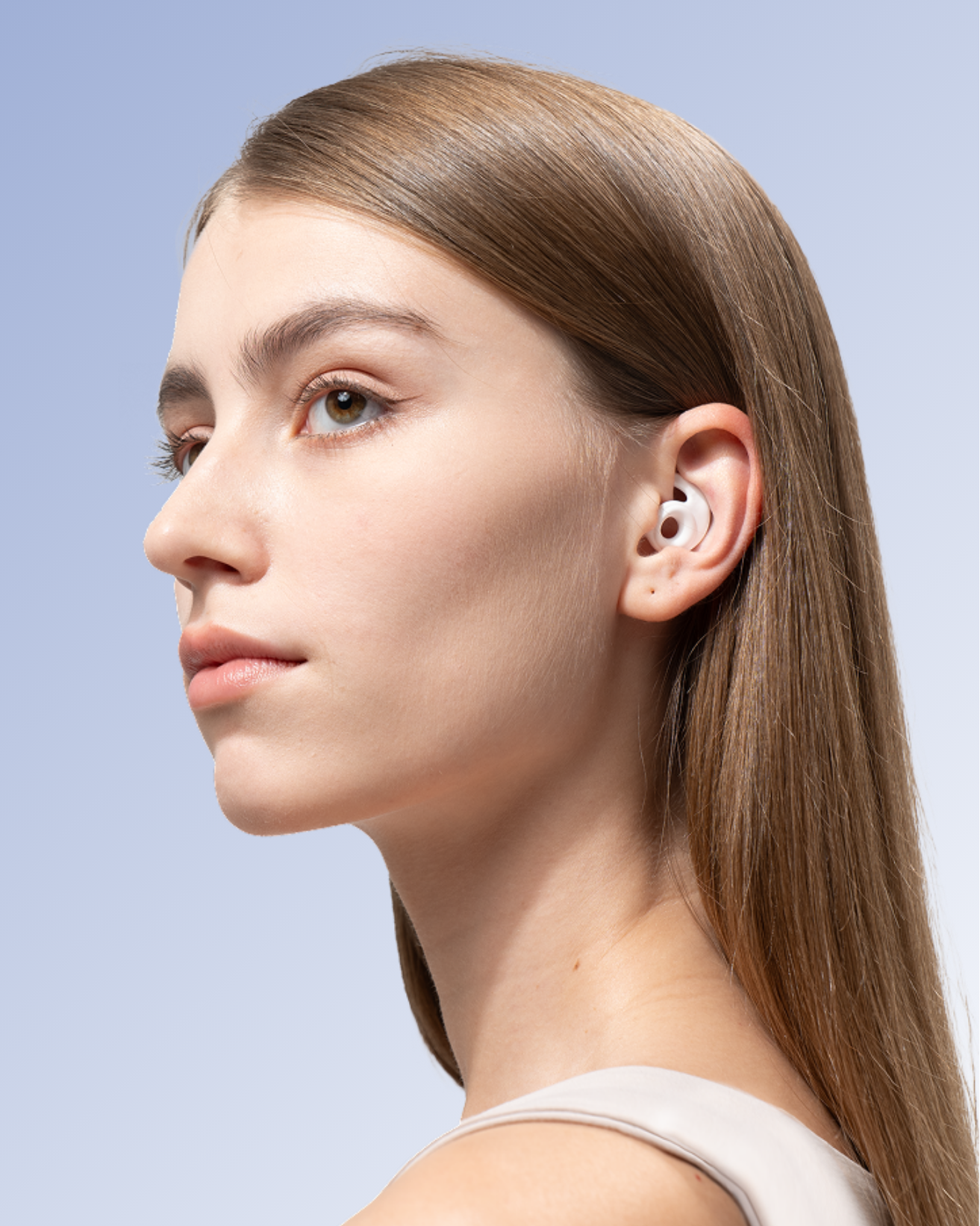
Sometimes, a small shift in how you manage sound can allow you to move through life with more comfort, balance, and connection to your inner calm.
Welove Creations is here to support you in reclaiming your quiet strength — with gentle solutions designed to protect your hearing and support your sensory well-being.
Reference
Weyn, S., Greven, C. U., Schmidt, S. J., et al. (2025). Sensory processing sensitivity and overstimulation in daily life. Scientific Reports.
Greven, C. U., et al. (2019). Sensory Processing Sensitivity in the context of Environmental Sensitivity. Neuroscience & Biobehavioral Reviews.
Aron, E. N., & Aron, A. (1997). Sensory-processing sensitivity and its relation to introversion and emotionality.