

Common Sleep Challenges for HSPs & A More Comfortable Option for Sensitive Sleepers
Common Sleep Challenges for HSPs & A More Comfortable Option for Sensitive Sleepers
Updated March 2026
If you are a Highly Sensitive Person (HSP), you may already know that nighttime rarely feels truly quiet. Sounds that other people barely notice—distant traffic, a ticking clock, a partner turning in bed, a hallway door closing, even soft breathing nearby—can suddenly feel much louder once the lights go out.
This is not simply “being dramatic,” and it is not just a matter of being a light sleeper. For many highly sensitive people, it reflects the way the nervous system processes stimulation. When the brain naturally pays closer attention to subtle sensory input, nighttime can feel less like rest and more like ongoing vigilance.
That is why HSP sleep problems are often tied to noise sensitivity at night. The issue is not always the actual volume of the sound. It is often the brain’s ongoing awareness of sound, especially irregular sound, during the transition from wakefulness to sleep.
In practice, many sensitive sleepers do not need the strongest possible noise blocking. They need less overall stimulation, more physical comfort, and a sleep setup that helps the nervous system feel safe enough to settle.
High sensitivity is often described through sensory processing sensitivity, a trait associated with deeper processing of both external and internal stimuli. Research on this trait has linked it to stronger activation in brain regions involved in awareness, sensory integration, and emotional processing. In other words, subtle stimuli may not simply register—they may receive more attention and deeper processing.
At night, that difference matters even more. During the day, visual activity, tasks, conversation, and movement compete for attention. At bedtime, those distractions fade. The nervous system may then become more aware of low-level environmental cues that were previously easy to ignore. That shift can make nighttime noise feel uniquely intrusive for HSPs, because the brain does not just hear the sound—it may monitor it, anticipate it, and stay partially engaged with it.
This pattern often becomes stronger during periods such as:
When several of these factors are present at once, even a relatively quiet room may still feel overstimulating.
One useful distinction is the difference between objective noise and perceived noise.
Objective noise refers to the measurable sound in the environment. Perceived noise refers to how strongly the brain reacts to that sound. For highly sensitive sleepers, perceived noise is often the bigger issue.
A quiet but unpredictable sound can be more disruptive than a steady sound at a slightly higher volume. That is one reason an occasional click, shift, tap, or breath may feel more difficult to sleep through than a constant background hum. The room may not be especially loud, but the brain may still remain highly engaged with it.
This is also why many HSPs describe the problem in the same way: it is not necessarily that the room is loud, but that the brain will not stop noticing it.
Highly sensitive sleepers tend to experience similar patterns across different environments.
Shared bedrooms
A partner’s breathing, snoring, movement, or late-night scrolling can keep the brain alert.
Apartments and dorms
Footsteps, doors, plumbing, voices, traffic, and thin walls can create repeated micro-disruptions.
Travel environments
Hotel hallways, elevators, air systems, unfamiliar beds, and early-morning cleaning noise can all increase vigilance.
Work or public spaces
Even when exhausted, background conversation or environmental noise may make it difficult to take a restorative nap.
Outdoor settings
Wind, insects, birds, and other natural sounds may feel stimulating rather than soothing.
Across all of these settings, the deeper issue is not only noise itself. It is the brain’s sustained relationship to noise.
Many sleep solutions are designed for the average sleeper, not for someone with a more sensitive nervous system.
White noise is not always calming
Some people sleep better with white noise because it can mask sudden environmental sounds. But the evidence on white noise and sleep is mixed, and not everyone experiences it as soothing. For some sensitive sleepers, adding continuous sound gives the brain one more thing to process rather than one less thing to notice.
Foam earplugs can create new problems
Traditional foam earplugs can reduce noise effectively, but they often introduce new discomfort:
For HSPs, that tradeoff matters. A product that blocks more sound on paper is not necessarily more effective in real life if the body remains focused on the feeling of wearing it.
Total isolation is not always the goal
Many sensitive sleepers do better with gentle, balanced sound reduction rather than a harsh feeling of complete isolation. The best setup often softens environmental noise without creating pressure, irritation, or sensory imbalance.
The best earplugs for HSP sleep are usually not the ones that feel the most aggressive. In many cases, the better choice is an earplug that reduces stimulation while remaining comfortable enough to forget.
For sensitive sleepers, the ideal earplugs usually offer:
This is why many people search for comfortable earplugs for side sleepers or gentle earplugs for sensitive sleepersrather than simply looking for the highest noise reduction number.
When sleep is the goal, wearability matters. The most effective earplugs are the ones a person can actually tolerate comfortably and consistently.

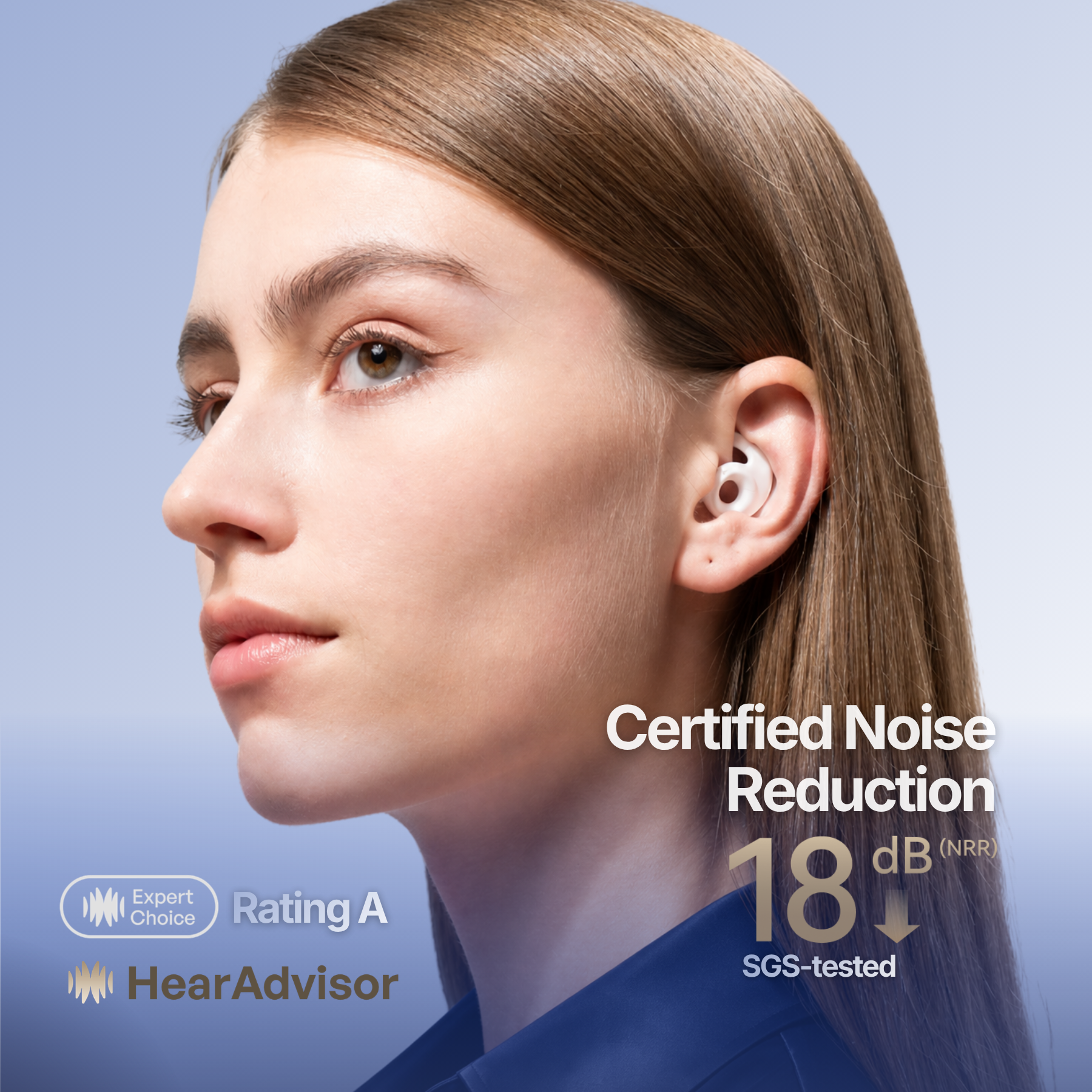
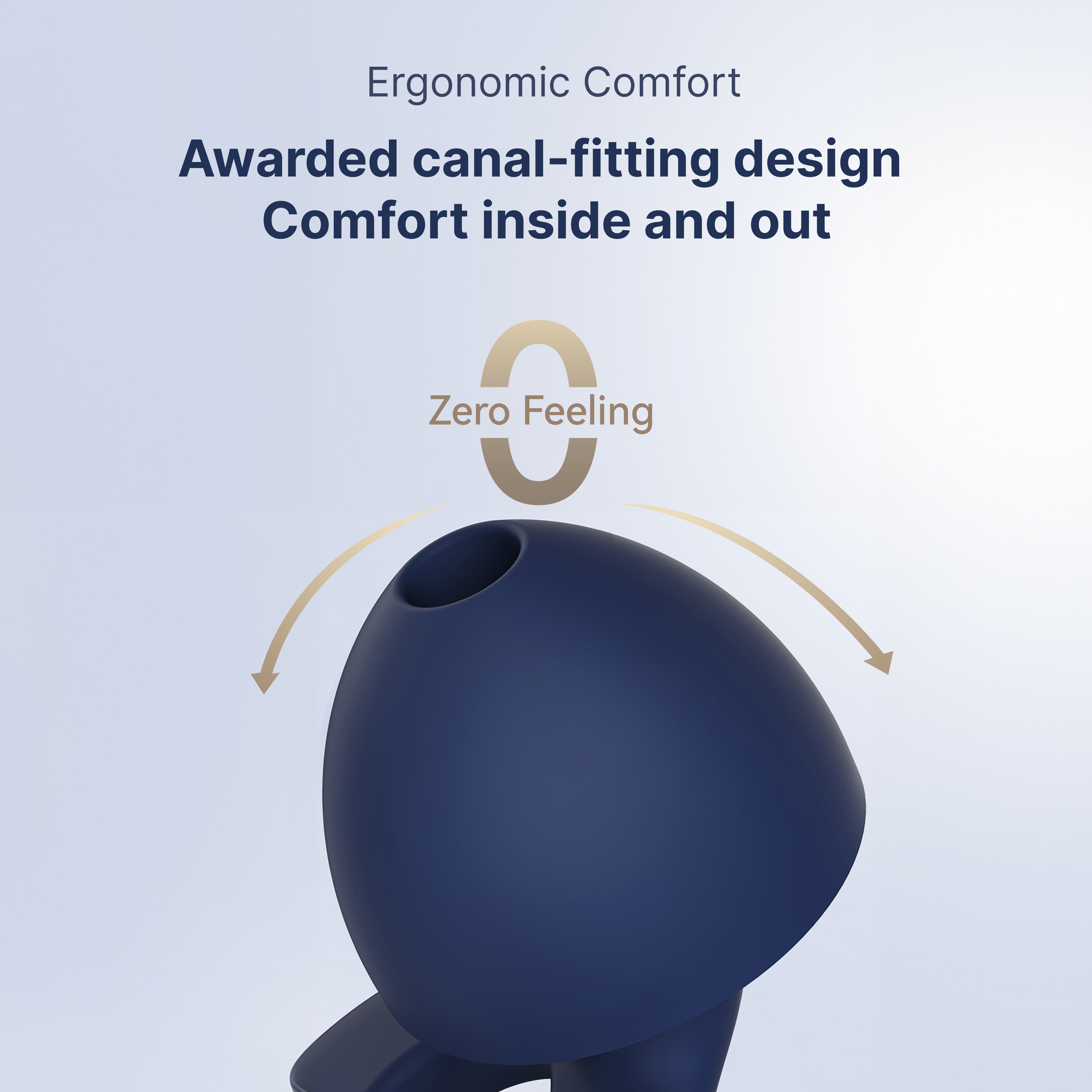
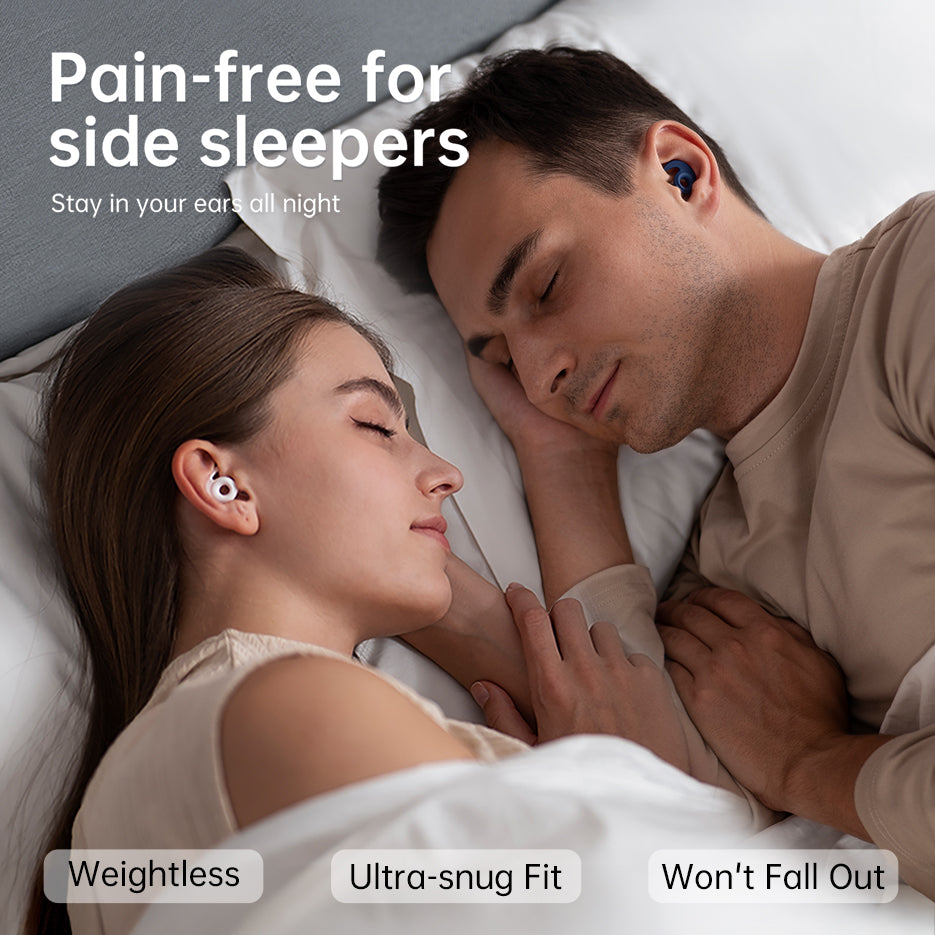
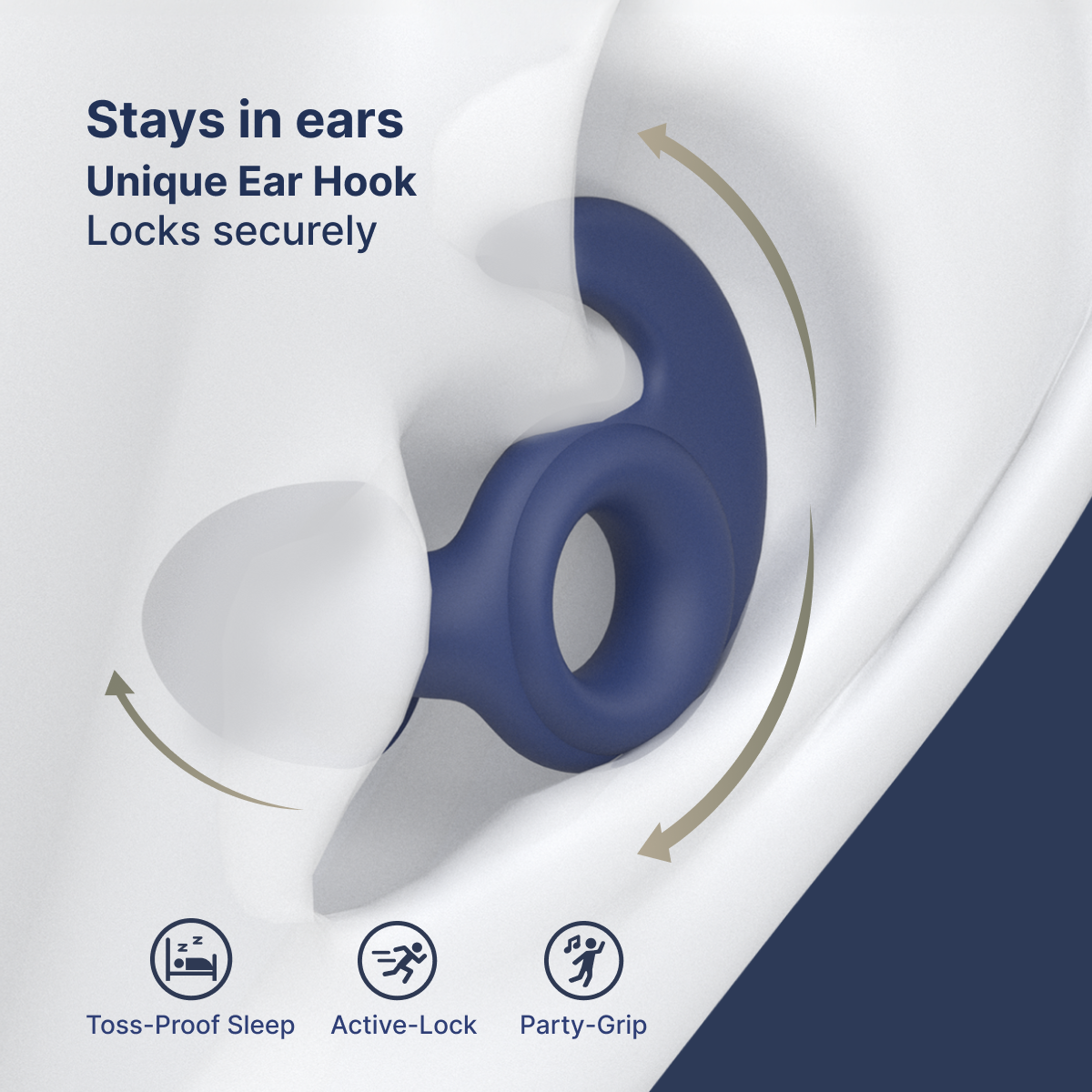
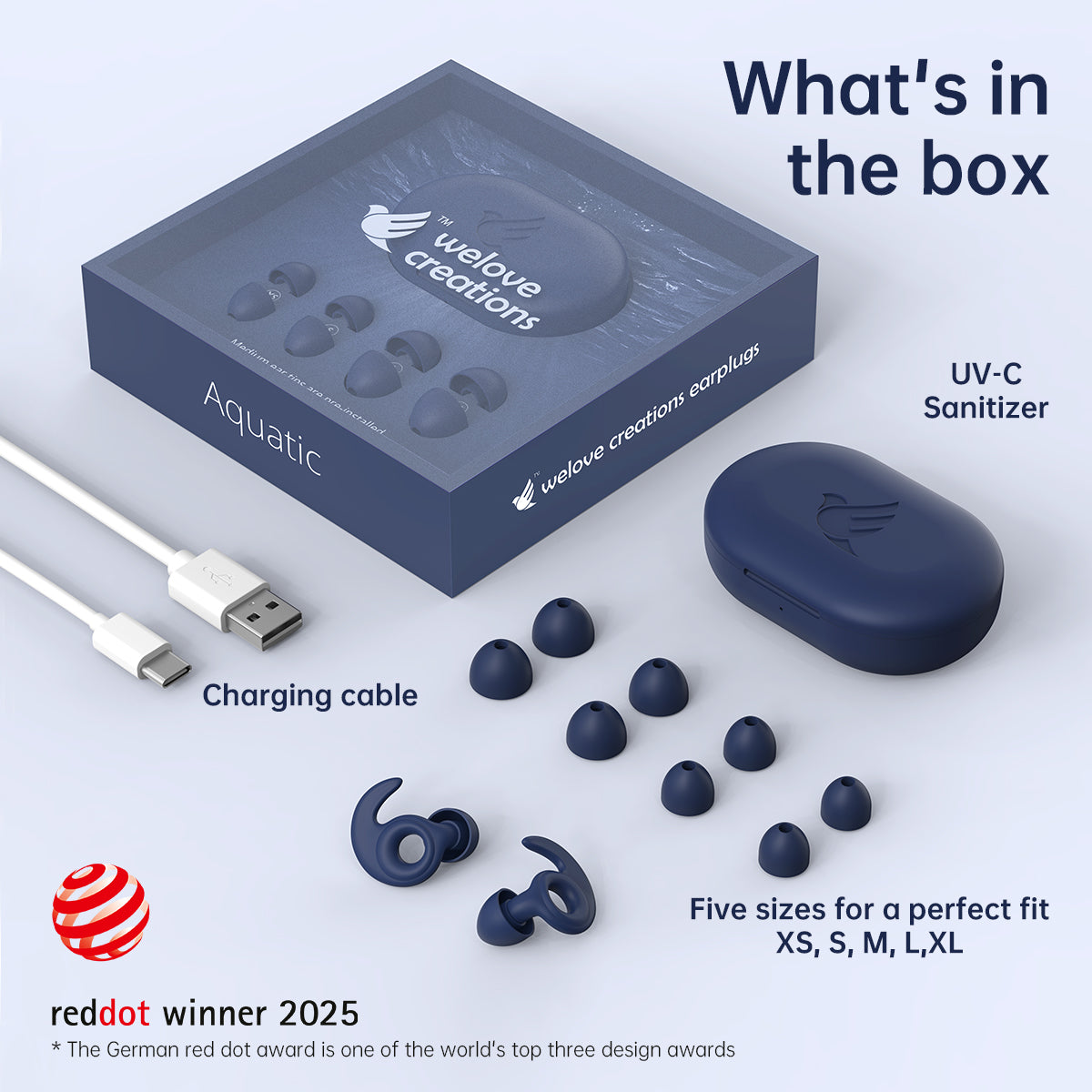
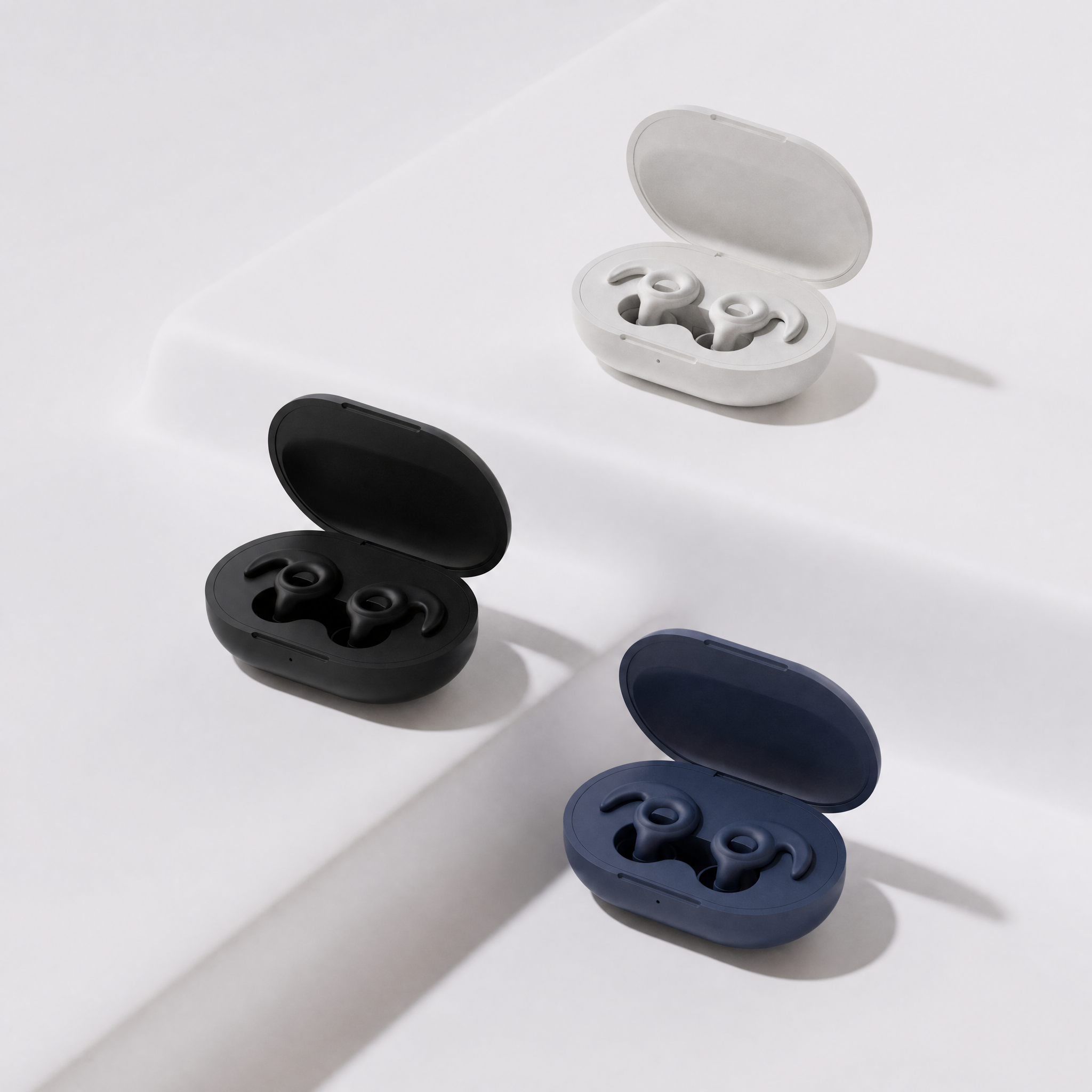
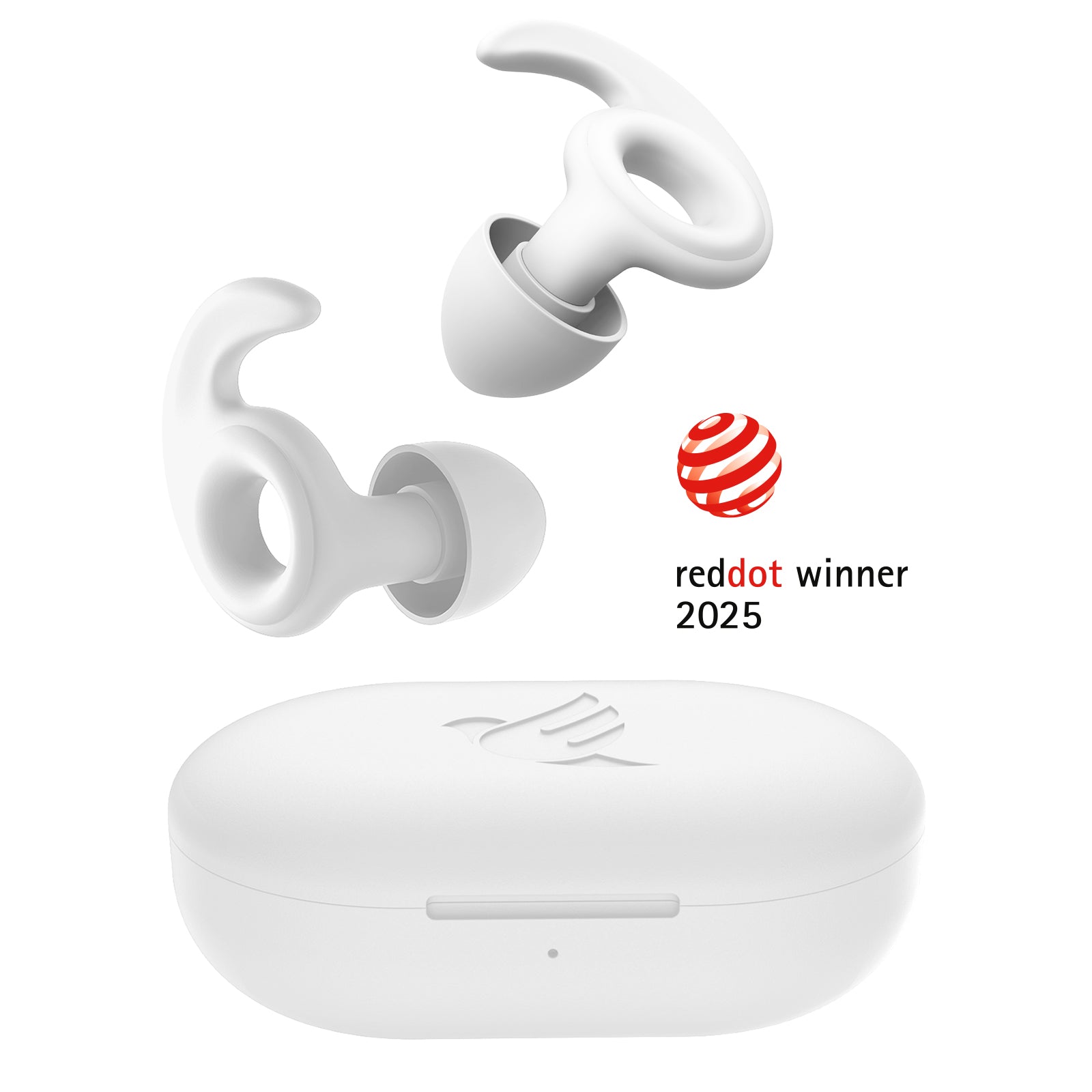
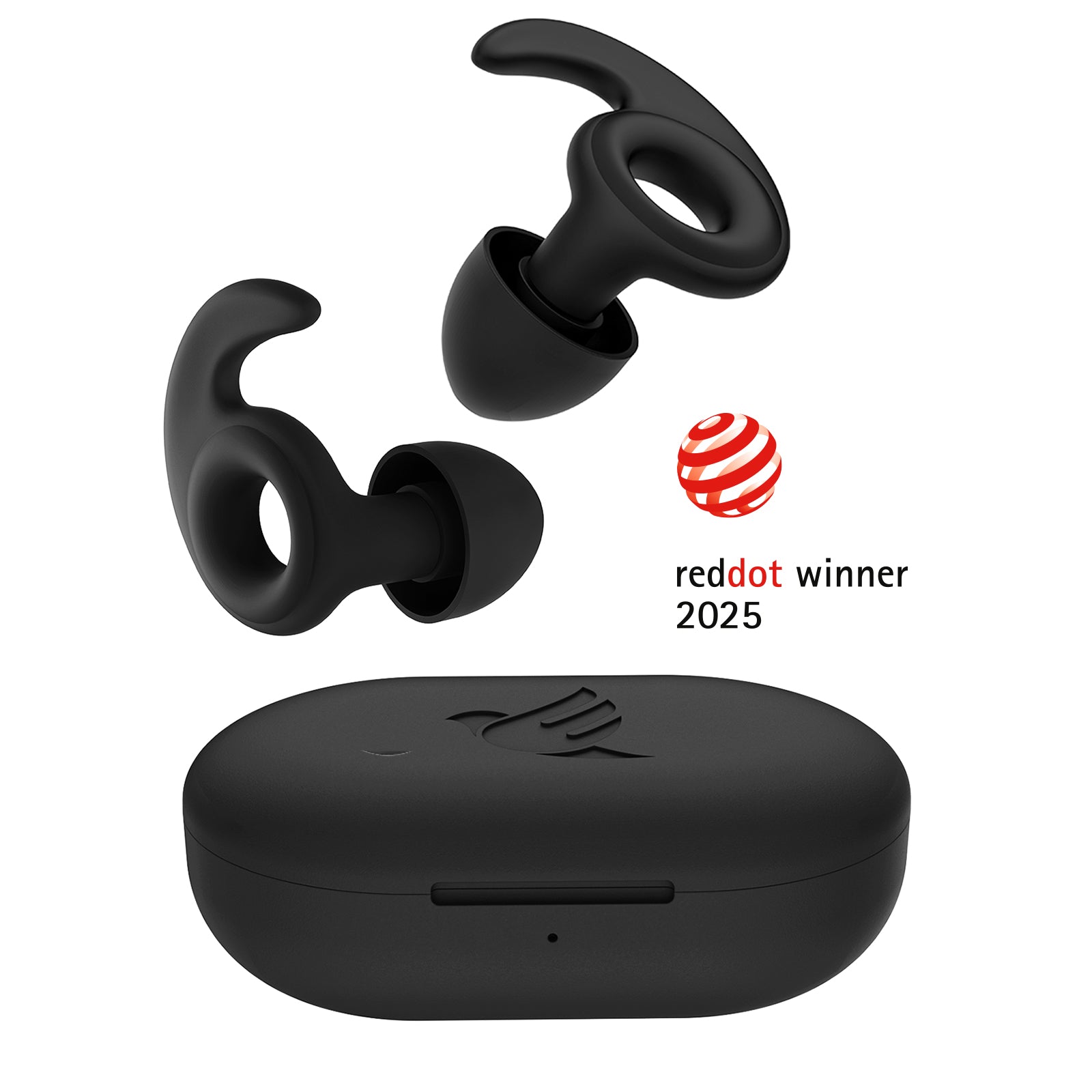
Welove Earplugs, Red Dot Award 2025 winner, feature SGS-certified 18dB NRR to soften snores. Made from ultra-soft silicone for side sleeping, they include a UV-sanitizing case for reusable, clean comfort. Pain-free, ergonomic fit stays in all night for uninterrupted sleep.
Earplugs can help a great deal, but they work best as part of a broader low-stimulation routine.
Build a predictable wind-down ritual
Simple, repeated habits before bed can help the nervous system shift out of alert mode. Dim lights, less screen exposure, quiet reading, stretching, or slow breathing may all help reduce pre-sleep arousal. Harvard Health’s sleep hygiene guidance also emphasizes consistent routines, a comfortable bedroom, and minimizing disruptions before sleep.
Reduce multi-sensory stimulation
Noise is only part of the picture. Many HSPs sleep better when the overall sensory load is lower. Soft bedding, comfortable sleepwear, reduced visual clutter, and a cooler room can all help the body settle. Harvard’s guidance similarly recommends making the sleep environment comfortable and supportive of uninterrupted rest.
Soften the room acoustically
Curtains, rugs, upholstered furniture, and draft blockers can reduce sharp or sudden noise. The goal is not perfect silence. It is a softer, more buffered environment. Guidance on sleep hygiene also notes that reducing or masking noise and improving the bedroom environment can support better sleep.
Adjust bed placement
Moving the bed away from a vent, window, shared wall, or hallway-facing position can meaningfully reduce perceived noise.
Work with your partner, not against them
If a partner’s habits affect your sleep, practical adjustments often help more than trying to “push through.” A later scrolling habit, snoring pattern, or bedtime mismatch may need a real solution rather than more patience.
If you are choosing earplugs specifically for highly sensitive sleep, focus on these criteria:
Gentle sound reduction
A softer reduction in noise is often more comfortable than a severe shut-off feeling.
Pressure-free comfort
If an earplug causes fullness, soreness, or pressure, it is less likely to work well for a sensitive sleeper.
Side-sleeper compatibility
A side-sleeper-friendly design matters because pressure against the ear can quickly become the dominant sensation.
Soft, non-irritating materials
Skin-safe silicone and other gentle materials are often better tolerated for long wear.
Multiple sizes
Fit makes a major difference. A design that offers several sizes is more likely to feel secure without pressing too hard.
Easy hygiene
For reusable earplugs, easy cleaning matters. Guidance on hearing protection consistently emphasizes that effectiveness depends heavily on correct fit, comfort, and consistent use, not merely on having the device itself.


This is why many Highly Sensitive People move away from basic foam options and look for more thoughtfully designed reusable sleep earplugs.
For example, Welove Creations sleep earplugs are designed with comfort-focused noise reduction in mind. Instead of aiming for a harsh blocked sensation, they are built to soften ambient noise more gently while supporting all-night comfort.
Key features include:
That combination is often more aligned with what HSPs actually need: less stimulation, less pressure, and a more natural sleep experience.
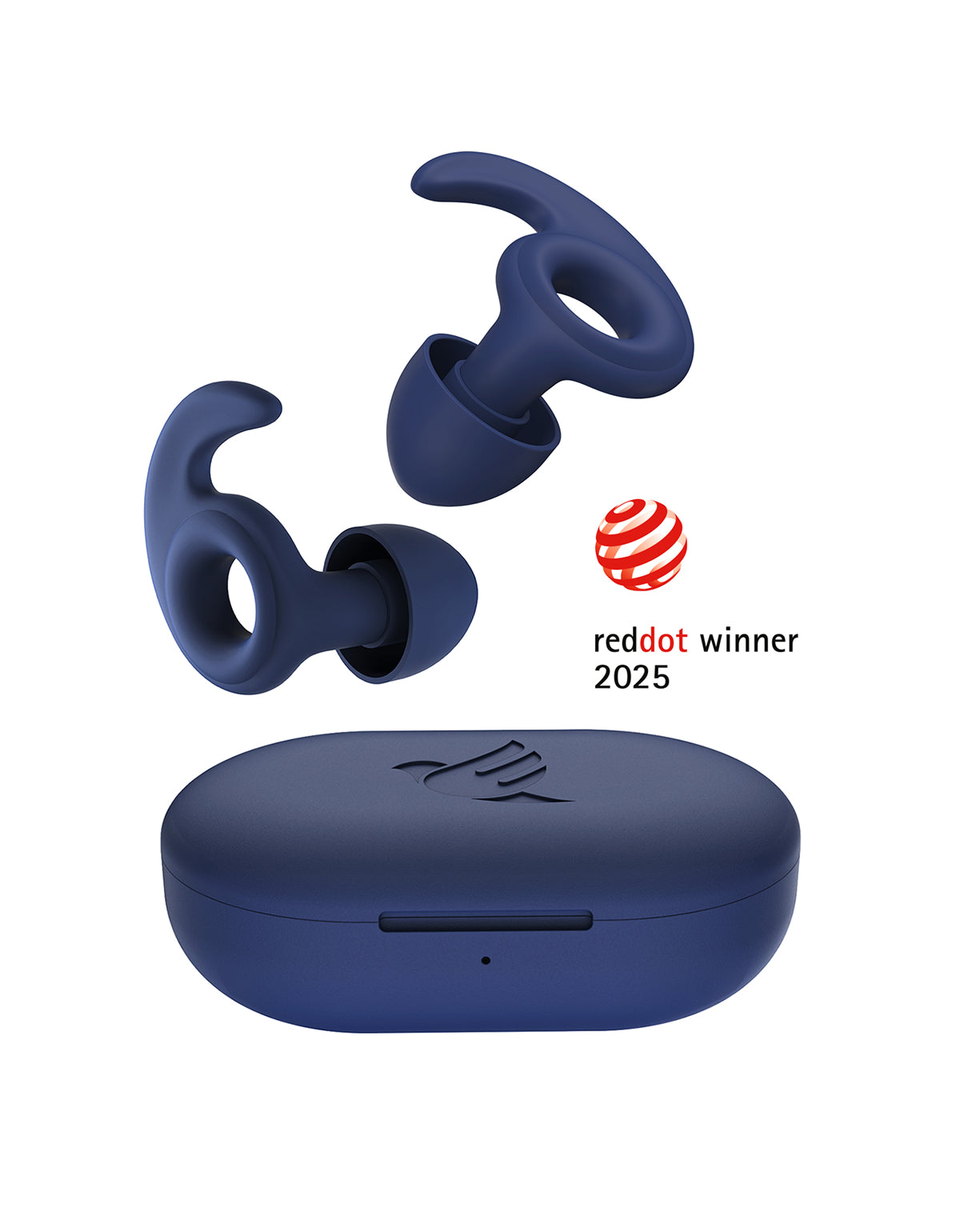
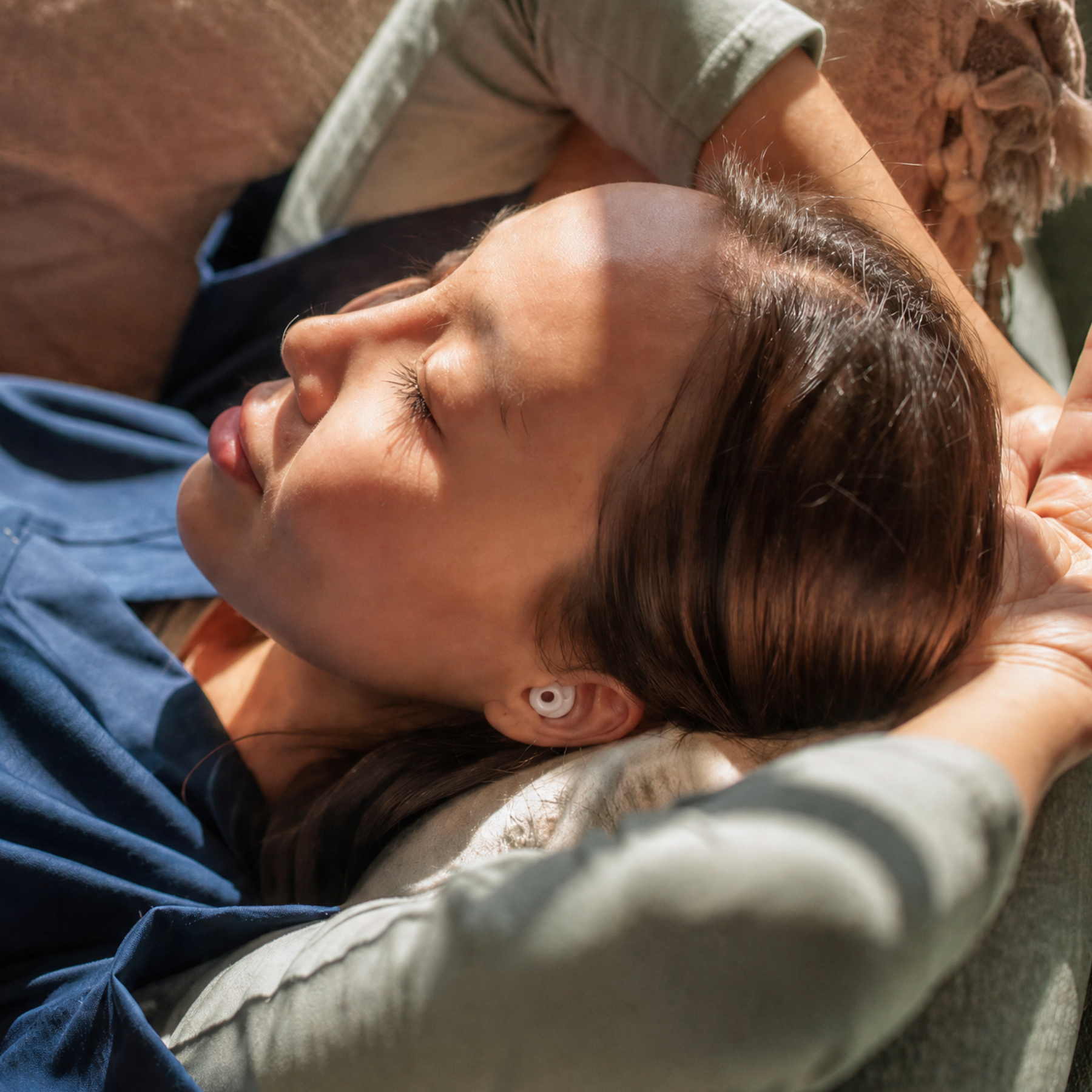
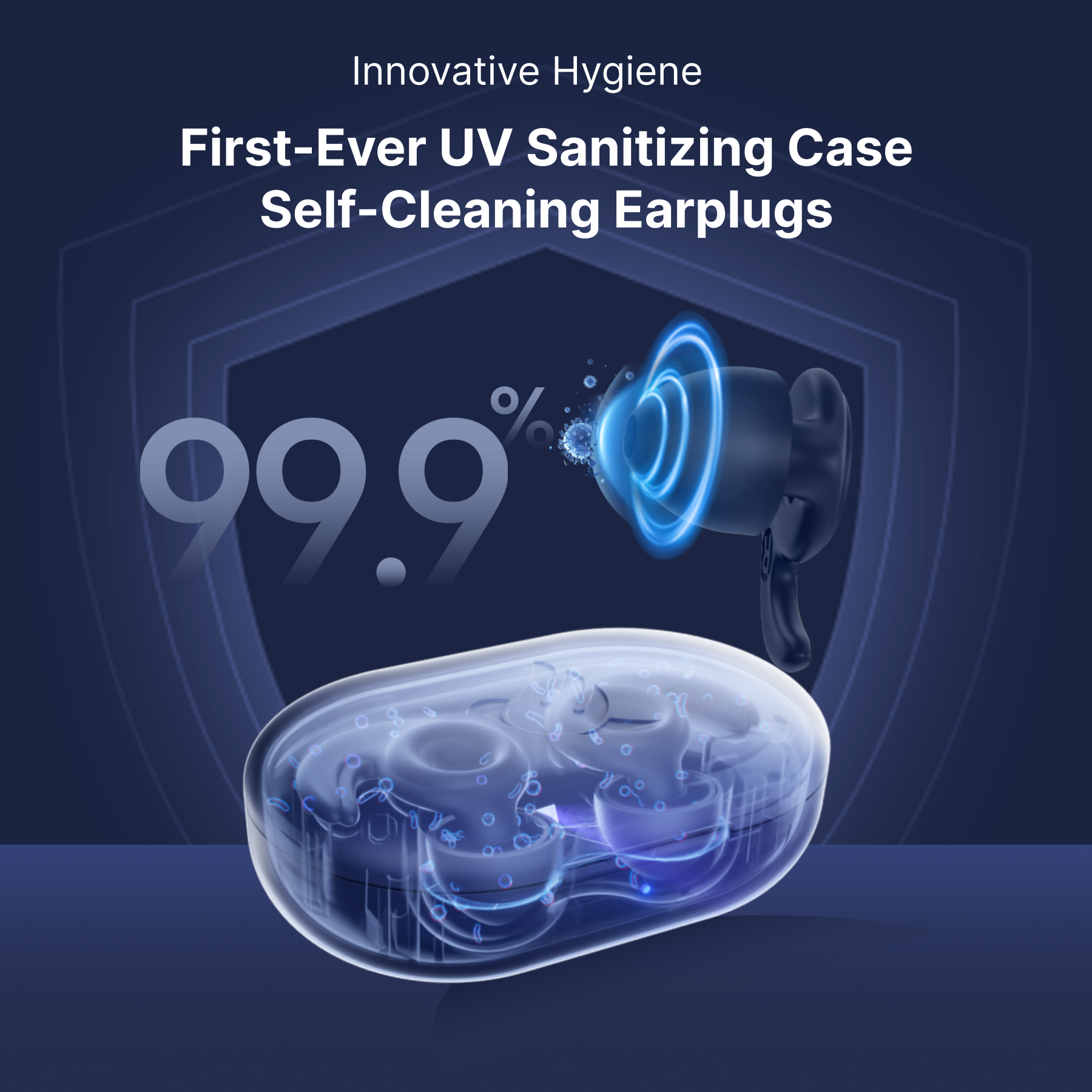
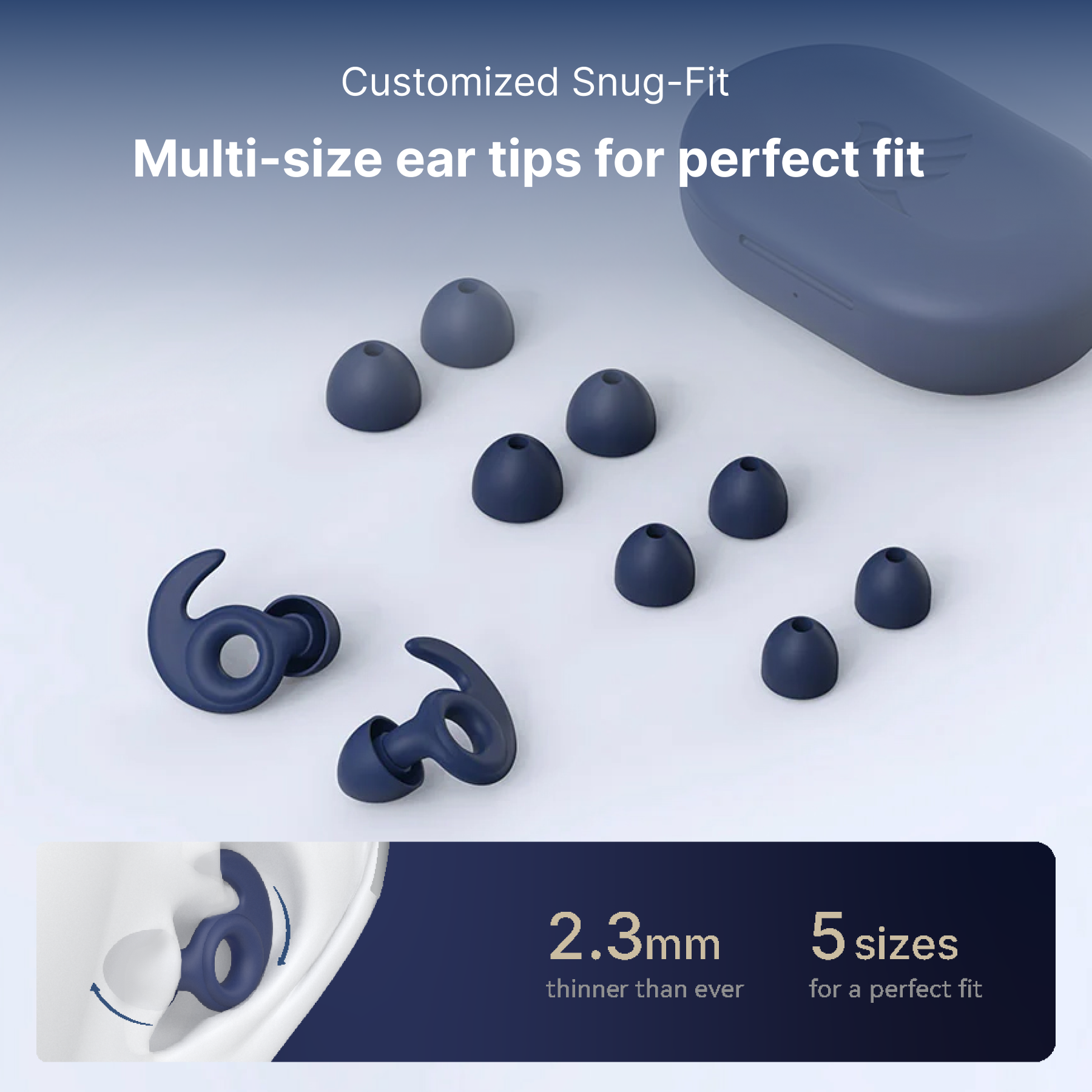
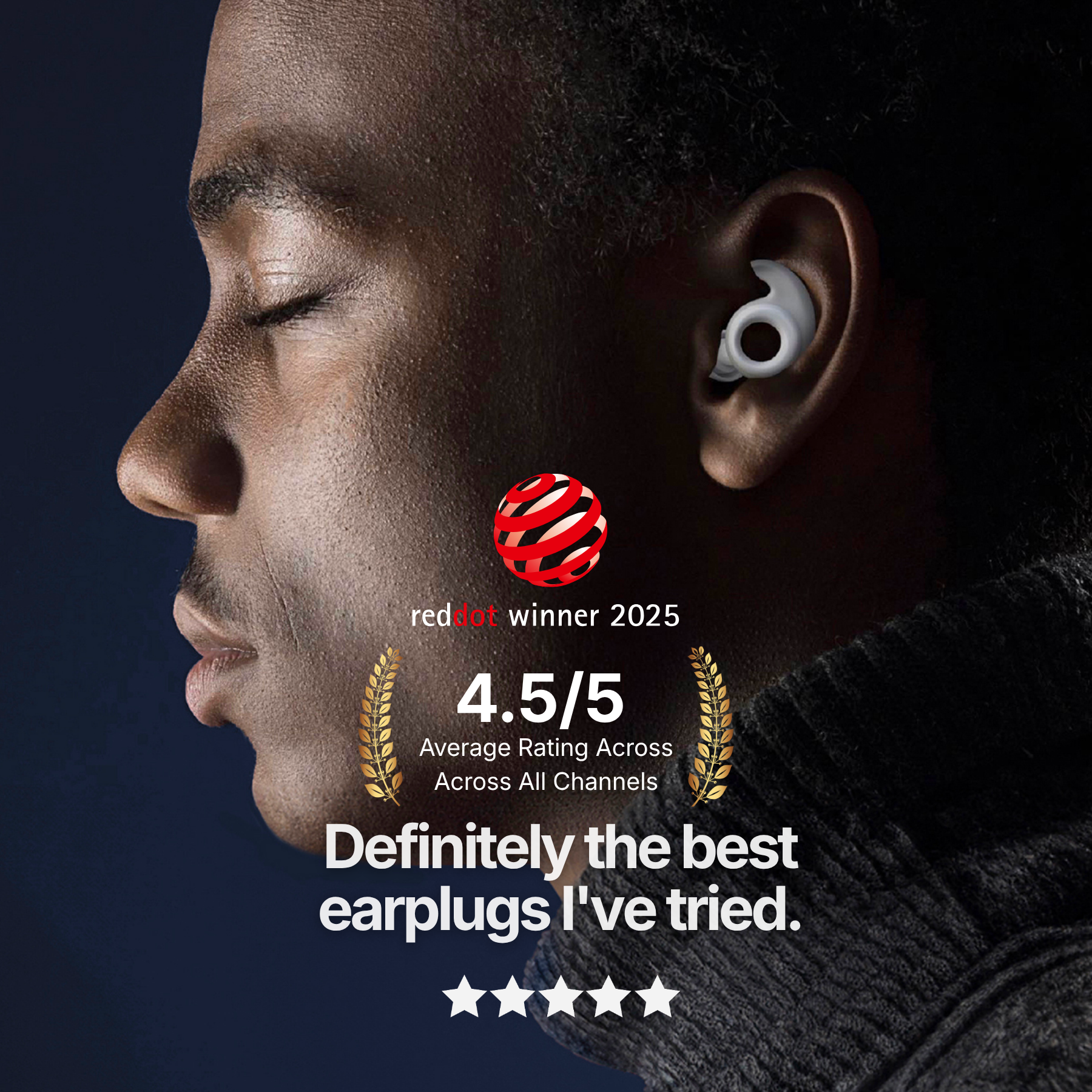
Sleep peacefully with sensory-friendly earplugs and a UV-sanitizing case.
Free Shipping in the U.S. & Canada
Final Thoughts
For Highly Sensitive People, better sleep is rarely about creating a perfectly silent world. More often, it is about reducing stimulation enough for the nervous system to relax.
That usually means combining several things at once: a calmer bedtime routine, a softer sleep environment, and earplugs that reduce noise without becoming another source of discomfort.
If nighttime noise keeps interrupting your rest, the answer may not be to block more. It may be to choose a gentler, more sustainable way to lower sensory input.
In the long run, the best earplugs for HSP sleep are the ones you can wear comfortably, consistently, and peacefully through the night.
References
Share: